
Bagan Travel Guide: Temples, Sunsets & Local Experiences
There are places you visit—and places that remain with you forever.
Bagan belongs to the second category.
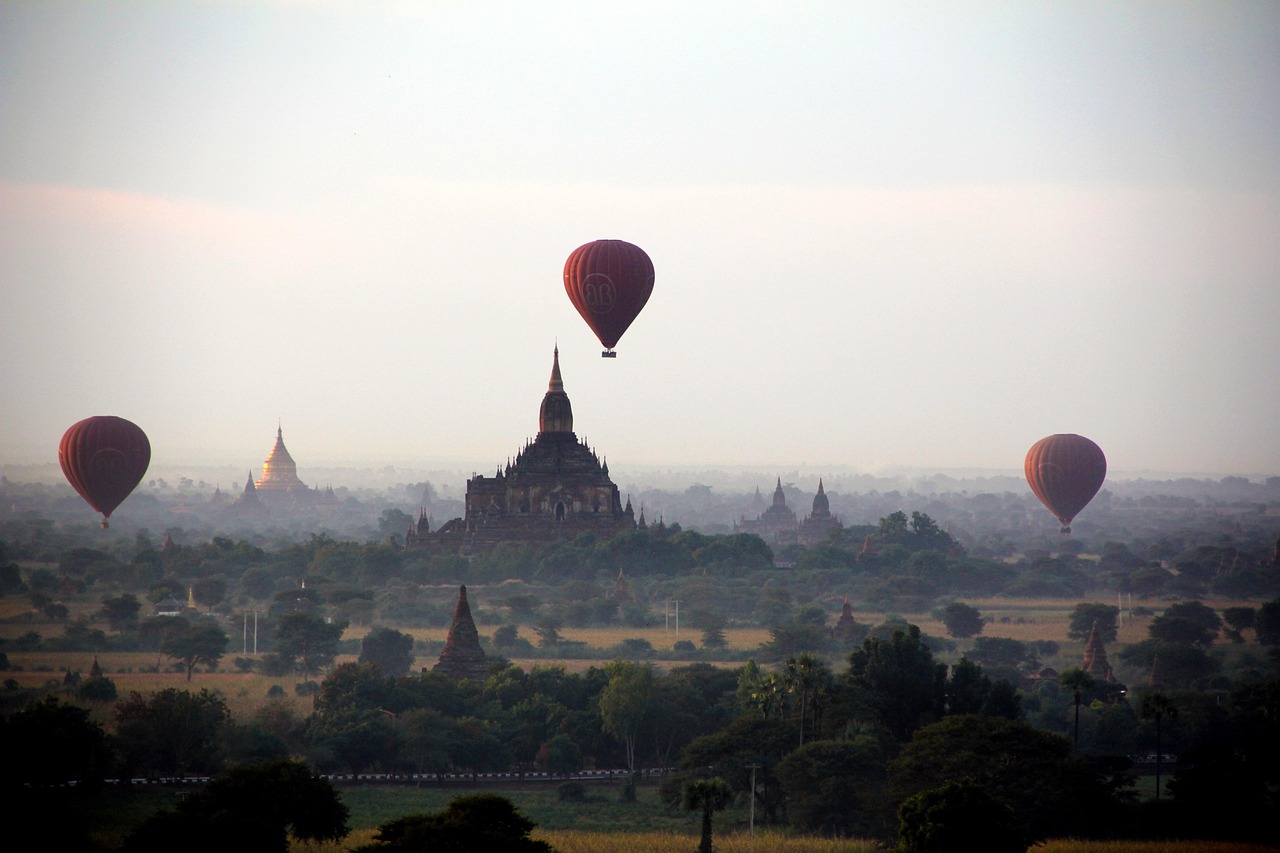
Across a vast plain beside the Ayeyarwady River, more than 2,000 ancient temples, pagodas and monasteries rise between tamarind trees, fields and traditional villages. At sunrise, their silhouettes appear through the morning mist. At sunset, the landscape turns shades of gold, amber and rose.
But Bagan is more than an extraordinary collection of monuments. It is a living cultural landscape where people continue to worship, create traditional lacquerware, farm the surrounding land and preserve customs passed down through generations.
For European travellers searching for history, photography, authentic encounters and a slower style of travel, Bagan is one of Southeast Asia’s most rewarding destinations.
Why Is Bagan So Special?
Bagan was the capital of a powerful kingdom that flourished between the 11th and 13th centuries. During this period, thousands of Buddhist monuments were constructed across the plains.
Some contain peaceful Buddha images, delicate murals and ancient inscriptions. Others impress through their enormous scale or elegant architectural design.
In 2019, Bagan was officially recognised as a UNESCO World Heritage Site, acknowledging its outstanding cultural and historical importance.
Although travellers sometimes compare Bagan with Cambodia’s Angkor, the experiences are quite different. Bagan’s monuments are scattered across a broad, open landscape where villages, farms and active places of worship exist alongside its archaeological treasures.
The Best Temples to Visit in Bagan
It would be impossible—and exhausting—to visit every monument. A carefully designed private tour should combine Bagan’s celebrated masterpieces with quieter temples selected according to your interests.
Ananda Temple
Ananda is one of Bagan’s most beautiful and best-preserved temples. Its balanced architecture, golden spire and four standing Buddha images make it an essential introduction to Bagan.
Visit with a knowledgeable guide to understand the symbolism hidden within its design, carvings and narrative panels.
Shwezigon Pagoda
Located near Nyaung U, Shwezigon is one of Myanmar’s most important Buddhist pagodas.
Its golden stupa influenced the design of many later religious monuments throughout the country. The pagoda remains an active place of worship, allowing visitors to experience Bagan as a living spiritual destination rather than simply an archaeological site.
Dhammayangyi Temple
Dhammayangyi is the largest temple in Bagan and one of its most mysterious.
Its massive brick structure dominates the surrounding landscape, while its unusually precise brickwork reflects the extraordinary skills of Bagan’s ancient builders. Local legends surrounding its construction add another fascinating dimension.
Thatbyinnyu Temple
Rising above the plains, Thatbyinnyu is one of Bagan’s tallest monuments. Its bright exterior and graceful form represent a different architectural style from the heavier Dhammayangyi.
Sulamani Temple
Sulamani is admired for its elegant proportions, detailed brickwork and surviving interior paintings. Its design represents the sophistication achieved during Bagan’s later architectural period.
Access to individual temples may change because of conservation work or local conditions. EMT checks current openings and selects suitable alternatives whenever necessary.

Where Can You Watch the Best Bagan Sunset?
Sunset is one of Bagan’s most memorable daily experiences—but visitors should not climb ancient temples.
Temple climbing is prohibited to protect the fragile monuments and respect their religious importance. Responsible travellers should use authorised viewing locations recommended by local guides.
Excellent sunset experiences include:
- An approved ground-level viewpoint
- A quiet location among the temple plains
- A sunset boat trip on the Ayeyarwady River
- A hotel terrace with panoramic views
- A private countryside setting away from larger groups
A sunset boat journey is particularly relaxing. As the sun descends beyond the river, fishing boats pass quietly and the sky turns warm shades of orange and gold.
The best viewpoint may change according to the season, vegetation, visitor access and the position of the sun. This is where local knowledge makes an important difference.
Is Sunrise in Bagan Worth the Early Start?
Absolutely.
Before dawn, the plains are quiet and cool. Gradually, the outlines of pagodas emerge from the darkness as the sky changes colour.
You do not need to climb a temple to appreciate sunrise. Your guide can recommend an approved ground-level location with an attractive view and respectful access.
During the balloon season, colourful hot-air balloons may appear above the horizon, creating one of Myanmar’s most recognisable scenes. Even without balloons, the stillness of early morning makes sunrise a deeply atmospheric experience.
Hot-Air Ballooning Over Bagan
A hot-air balloon flight offers an unforgettable aerial perspective of Bagan’s temples, villages and river landscape.
Flights normally operate seasonally during the cooler and drier months. Exact operating dates vary by company and season. For example, one established operator has announced its 2026–2027 Bagan season from 18 November 2026 to 15 February 2027, while other operators may publish different dates.
Balloon flights depend entirely on weather and safety conditions. They may be delayed or cancelled when wind or visibility is unsuitable.
Advance reservations are strongly recommended because operating periods and passenger capacity are limited. EMT can check the current services, explain the available basket options and arrange the reservation as part of your private journey.
Discover Bagan Beyond Its Temples
Travellers who visit only the famous monuments miss an important part of Bagan.
The most meaningful journeys combine heritage with local experiences that support families, craftspeople and small businesses.
Visit a Traditional Lacquerware Workshop
Bagan is renowned for its handmade lacquerware, locally known as yun-de.
Artisans build objects from bamboo or wood before applying numerous layers of lacquer. The surface may then be engraved by hand and decorated with traditional colours and intricate designs.
Producing a fine-quality piece can take several months. Visiting a genuine family workshop allows you to understand why authentic Bagan lacquerware is so different from inexpensive factory-made souvenirs.
Experience Village Life
A carefully arranged village visit offers an opportunity to observe farming, traditional food production and everyday life around Bagan.
Visits should be respectful rather than intrusive. Ask permission before photographing people, avoid giving sweets or money directly to children, and purchase locally produced goods when appropriate.
Explore Nyaung U Market
Nyaung U’s colourful market provides a lively introduction to local ingredients and daily commerce. Depending on the day and operating conditions, you may see vegetables, flowers, herbs, textiles, thanaka wood and household goods.
Visit early in the morning when the market is most active.
Enjoy a Myanmar Cooking Experience
Food offers another route into local culture. A market visit followed by a private cooking experience can introduce you to Myanmar curries, salads, soups and traditional sweets.
It is particularly enjoyable for couples, families and travellers who want an interactive experience between temple visits.
Take a Sunset Boat Trip
A private wooden boat journey on the Ayeyarwady River provides a peaceful contrast to a full day of sightseeing.
Relax with a cool drink while watching riverside villages, fishermen and distant pagodas as the sun disappears behind the horizon.
Should You Visit Mount Popa or Salay?
Travellers staying three or four nights can add a full-day excursion beyond the main Bagan archaeological zone.
Mount Popa is associated with Myanmar’s traditional spirit beliefs and is famous for the monastery rising above Taung Kalat’s dramatic volcanic formation.
Salay is a quieter riverside town known for its carved wooden monastery, historic religious buildings and connection with Myanmar’s literary heritage.
These excursions reveal different aspects of central Myanmar and are particularly rewarding for repeat visitors, photographers and culturally curious travellers.
How Many Days Do You Need in Bagan?
We recommend at least three nights.
Two nights: Suitable for the principal temples and one sunset experience.
Three nights: Ideal for temples, villages, lacquerware, sunrise and a river journey.
Four nights: Best for photographers, slow travellers and those adding Mount Popa or Salay.
Trying to see Bagan in a single day means missing much of its atmosphere. European travellers arriving after a long international journey will appreciate a slower and more thoughtful pace.
Where Should You Stay?
Bagan has three principal accommodation areas.
Old Bagan offers convenient access to many important monuments and includes several established hotels.
New Bagan has boutique properties, restaurants and a more relaxed atmosphere.
Nyaung U is close to the airport, Shwezigon Pagoda and the local market, with a wider variety of accommodation and dining options.
EMT selects hotels according to your preferred category, location, atmosphere and budget—from comfortable locally owned properties to luxury resorts and private villas.
When Is the Best Time to Visit Bagan?
November to February generally offers cooler temperatures, dry weather and comfortable sightseeing conditions.
October and March can also be attractive, with warmer days and fewer visitors.
April and May are normally very hot, so sightseeing should begin early and pause during the hottest part of the afternoon.
From June to September, Bagan’s green season brings dramatic skies and quieter attractions. Although rain is possible, Bagan usually receives less rainfall than Yangon and Myanmar’s coastal regions.
How to Reach Bagan
The fastest option is normally a domestic flight from Yangon to Nyaung U Airport.
Bagan can also be combined with Mandalay by private vehicle, with a daytime journey of approximately four to five hours depending on road conditions.
Flight schedules and routes can change, so transportation should be checked for the exact travel dates rather than relying on older information found online.
Travel Respectfully
Bagan’s monuments are sacred places as well as historic treasures.
Visitors should:
- Dress modestly inside religious sites
- Remove shoes and socks before entering pagoda compounds
- Never climb temples or restricted structures
- Avoid touching murals, carvings and ancient surfaces
- Ask permission before photographing monks or local people
- Never pose disrespectfully with Buddha images
- Purchase genuine local handicrafts from responsible workshops
Small acts of respect help preserve Bagan for future generations.
Plan Your Private Bagan Journey with EMT
Bagan is easy to photograph, but much harder to understand without local knowledge.
A professional guide can reveal the stories behind the monuments, choose less-crowded locations, find the best available sunset viewpoints and introduce you to craftspeople and communities in a respectful way.
Founded in 2004, Exotic Myanmar Travels & Tours is a locally owned Destination Management Company based in Yangon. For more than 20 years, we have created tailor-made journeys for European tour operators, travel advisors, couples, families, senior travellers, photographers and private groups.
Our Bagan services include:
- Private temple and heritage tours
- Licensed English-speaking and specialist guides
- Carefully selected hotels
- Domestic flight arrangements
- Private air-conditioned transportation
- Sunrise and sunset experiences
- Ayeyarwady River boat trips
- Lacquerware and village visits
- Photography tours
- Seasonal balloon reservations
- Mount Popa and Salay excursions
- Current destination and access updates
Tell us your travel dates, preferred hotel category and personal interests. Our local specialists will create a private Bagan experience designed around your pace and travel style.
Come for the temples. Stay for the sunsets. Remember Bagan for its people.